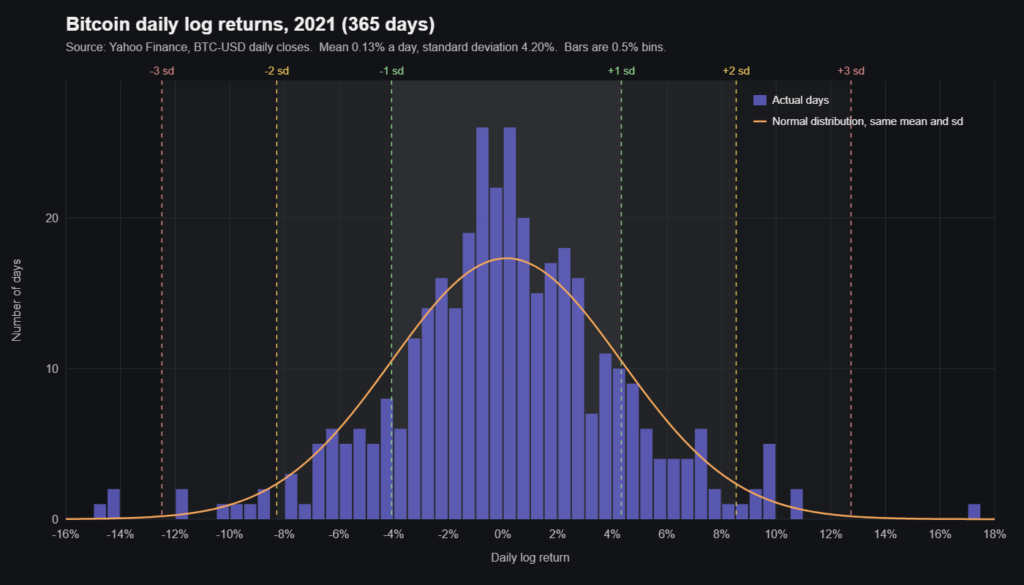
Bitcoin’s historical volatility in 2021, calculated in Excel
Bitcoin’s 2021 daily returns worked through in Excel: 4.2% a day, 80% annualised, and a histogram showing why the tails are fatter than a normal distribution allows.

Articles by Caio Marchesani on quantitative finance, trading and volatility, macroeconomics, engineering, and building the Acai Berry Foods wellness brand.
Bitcoin’s 2021 daily returns worked through in Excel: 4.2% a day, 80% annualised, and a histogram showing why the tails are fatter than a normal distribution allows.
How to calculate historical volatility from daily closes: log returns, mean, standard deviation and annualising by root 252, worked on a ten-day example, plus the choices that matter.
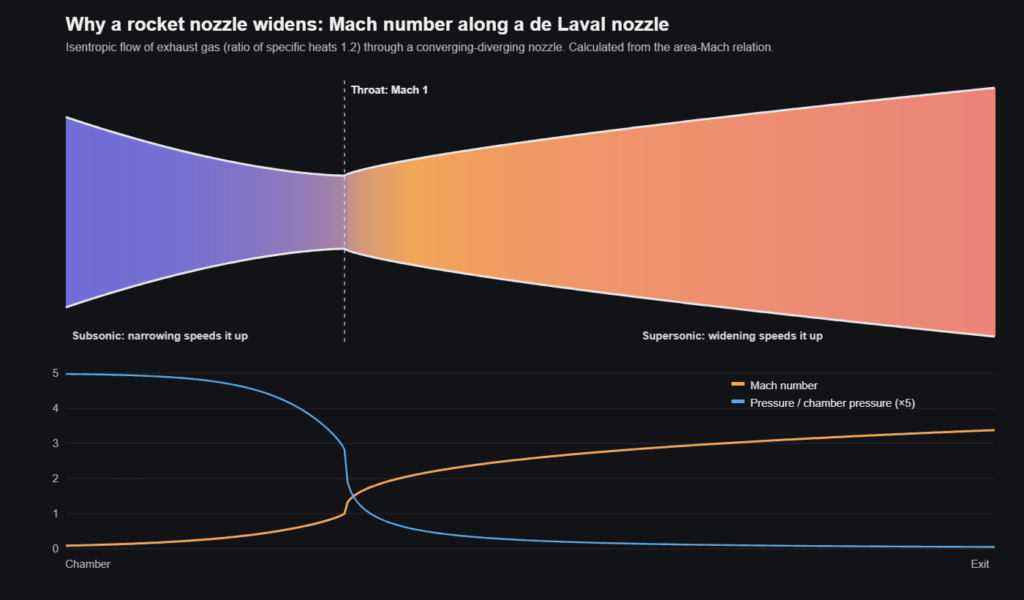
The physics behind a Falcon 9 launch, from Newton’s third law and specific impulse to why a rocket nozzle widens to make the exhaust faster, written by someone who studied it at UCL.
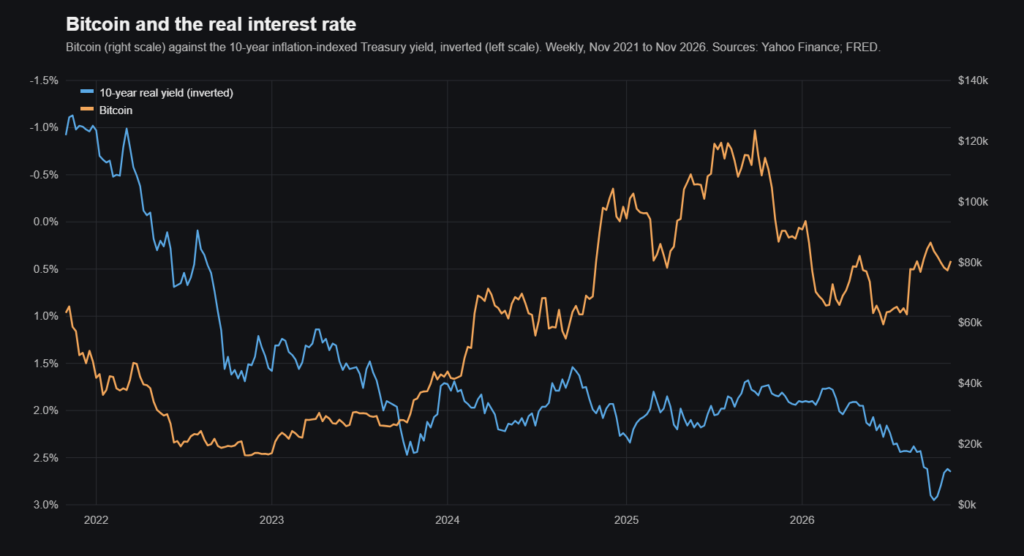
Caio Marchesani answers the questions he is asked most: why an energy and macro trader looks at crypto, what an engineering degree is for, what Oil Analytics taught him, and whether he believes in it.
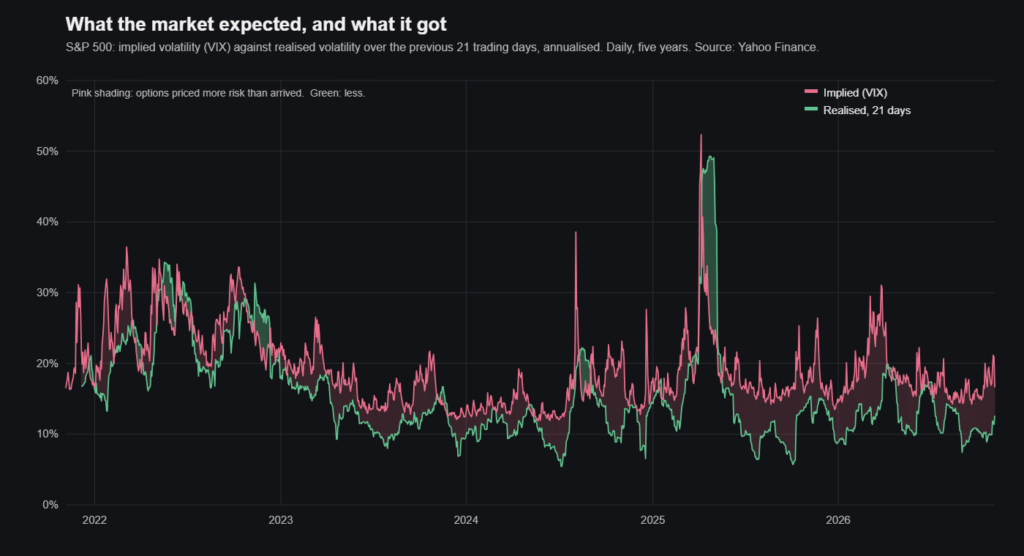
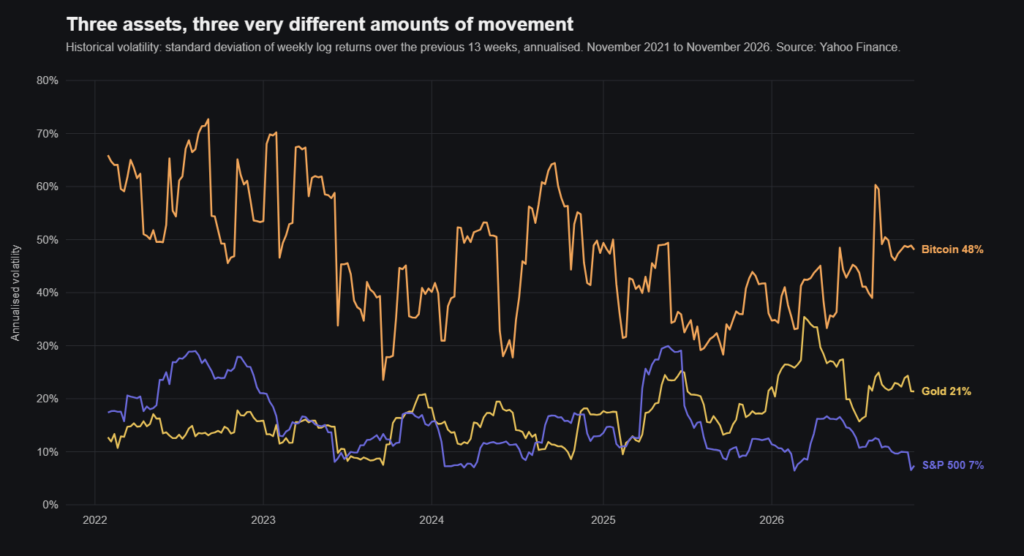
Historical volatility describes how an asset has moved; implied volatility is what the options market expects. Why the gap between them is where the useful information is.
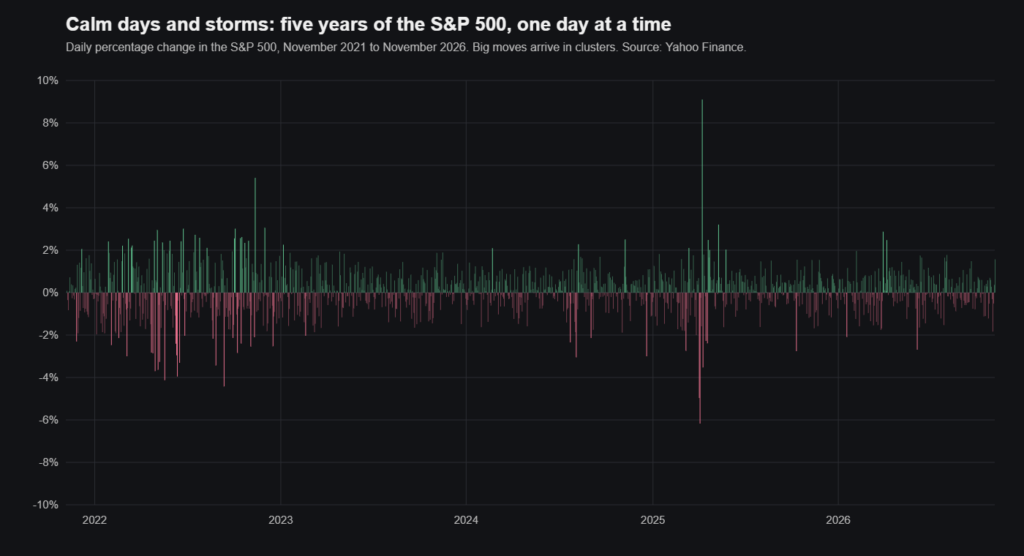
What volatility actually measures, where it comes from, what it does to a trade, and the practical habits that keep it in check: sizing, stops, leverage and watching it directly.
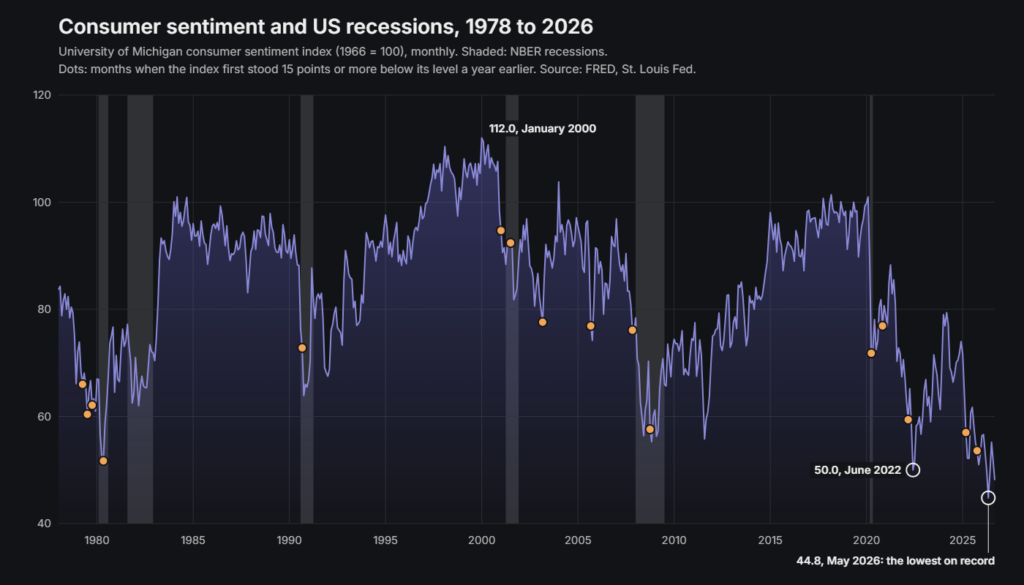
Michigan consumer sentiment hit a record low of 44.8 in May 2026. What the surveys measure, how often a sharp fall has preceded a US recession since 1978, and why spending held up.
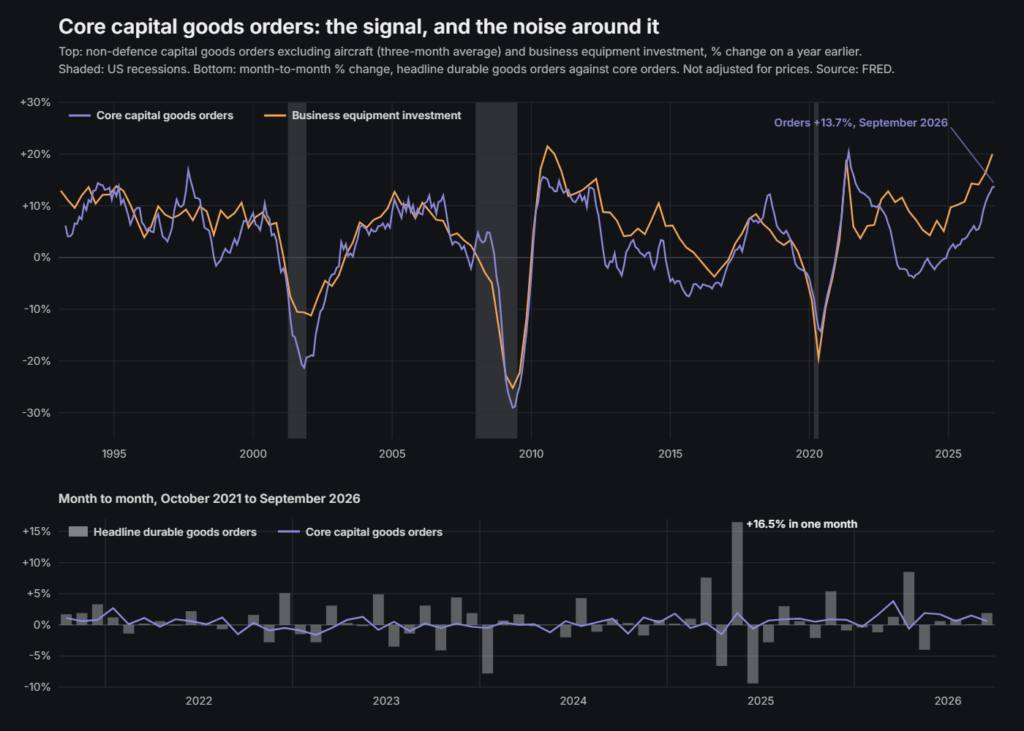
US core capital goods orders hit a record in September 2026. How the durable goods report works, how noisy the headline is, and what thirty years of data say about the lead.
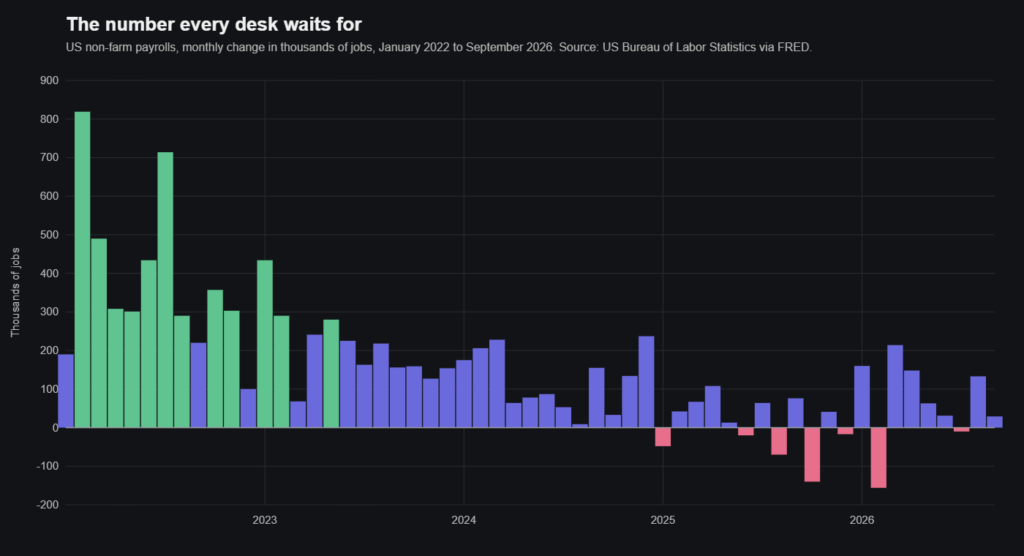
What is in the US jobs report, why payrolls lag the economy but lead policy and markets, which parts of the release are genuinely early, and how I handle the first Friday of the month.
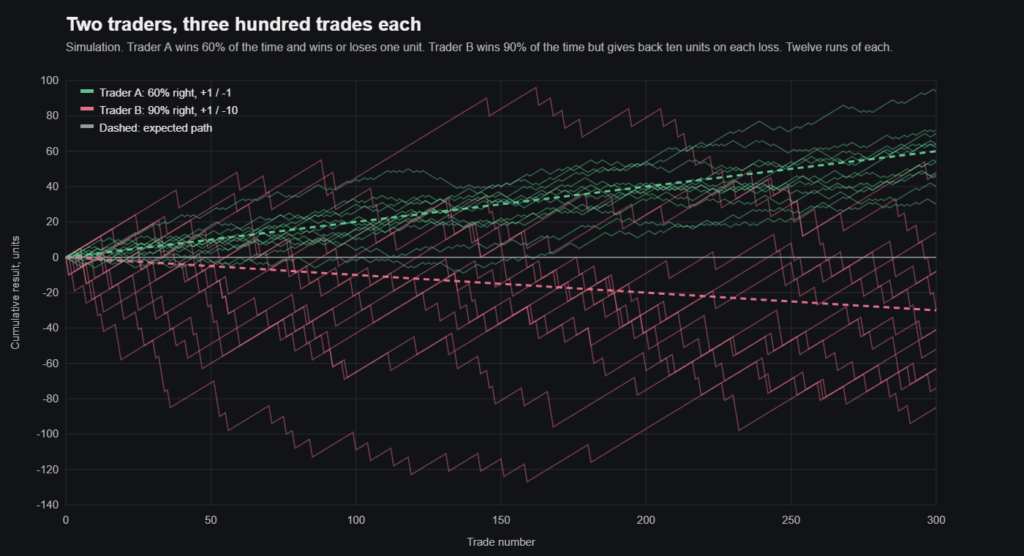
The question I am asked most, and why the honest answer is no: the method is the easy part, the courses sell the wrong thing, and the only subject that matters is risk.